
What Does Uninsured Motorist Coverage Pay For?
Uninsured motorist coverage pays for medical bills, lost wages, and vehicle damage when a hit-and-run or uninsured driver causes a crash. Know your limits.

By Quinn Hayes
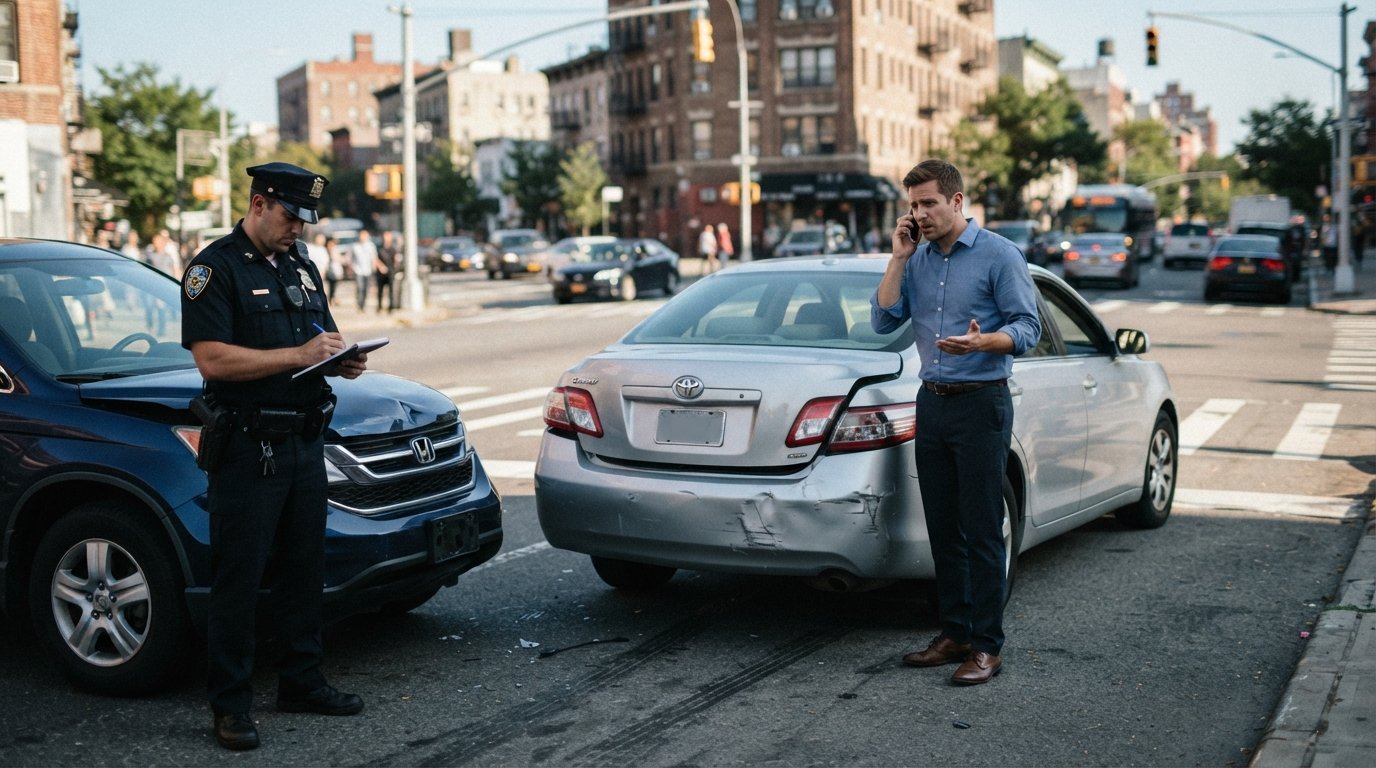
You are sitting at a red light when a driver slams into your rear bumper. You exchange information, but the other driver's insurance card turns out to be fake. Or worse, the driver has no insurance at all and no assets to cover your injuries. This scenario plays out thousands of times every day across the United States, and without the right coverage, you could be left holding the bill for medical expenses, lost wages, and vehicle repairs. That is where uninsured motorist coverage enters the picture, and understanding exactly what it pays for is essential for every driver who wants to avoid financial ruin after an accident caused by someone else.
How Uninsured Motorist Coverage Works and What It Pays For
Uninsured motorist coverage, often abbreviated as UM, is a type of auto insurance that protects you when you are involved in an accident with a driver who has no liability insurance. It can also apply in hit-and-run situations where the at-fault driver cannot be identified. The coverage steps in to pay for costs that the uninsured driver would have been responsible for, up to the limits you select on your policy. This is a critical distinction because without UM coverage, your only option would be to sue the uninsured driver personally, which often yields nothing if that person has no assets.
What does uninsured motorist coverage pay for specifically? The answer depends on the type of UM coverage you carry. Uninsured motorist bodily injury coverage, or UMBI, pays for medical expenses, lost wages, pain and suffering, and other injury-related damages for you and your passengers. Uninsured motorist property damage coverage, or UMPD, pays to repair or replace your vehicle if it is damaged by an uninsured driver. Some states combine these into a single coverage, while others require them separately or make one or both optional. Understanding the distinction is important because the two coverages address very different financial exposures.
It is also worth noting what uninsured motorist coverage does not pay for. It does not cover damage to the other driver's vehicle, because that driver is at fault and has no coverage of their own. It does not pay for injuries to the at-fault uninsured driver. And it typically does not cover your own medical bills if you have health insurance that would pay first, though rules vary by state and policy. In some states, UM coverage is secondary to health insurance, while in others it may pay on a primary basis. Reading your policy declarations page carefully will clarify how your specific coverage responds.
For drivers who want to compare UM coverage options across multiple carriers and understand how state rules affect their choices, using a resource like InsuranceShopping.com can simplify the process of gathering quotes and identifying the right coverage levels for your situation.
Uninsured vs. Underinsured Motorist Coverage: Key Differences
While uninsured motorist coverage handles situations where the other driver has no insurance at all, underinsured motorist coverage, or UIM, addresses a different but equally common problem. An underinsured driver is someone who carries liability insurance, but the limits on that policy are too low to cover the full extent of your damages. For example, if the at-fault driver has a $25,000 liability limit and your medical bills total $75,000, that driver is underinsured by $50,000. UIM coverage would step in to pay the difference, up to your own UIM limits.
The distinction matters because many drivers assume that if the other driver has insurance, they are fully protected. That assumption can be costly. State minimum liability limits are often quite low, and in a serious accident, those limits can be exhausted quickly. UIM coverage fills that gap and ensures that you are not left paying out of pocket for damages that exceed the at-fault driver's policy limits. In many states, UM and UIM coverage are sold together as a single endorsement, while in others they are separate line items on your policy.
Here is a quick breakdown of how the two coverages differ in practice:
- Uninsured motorist coverage (UM): Applies when the at-fault driver has no liability insurance at all, or when the driver cannot be identified (hit-and-run).
- Underinsured motorist coverage (UIM): Applies when the at-fault driver has liability insurance, but the limits are insufficient to cover your damages.
- UM bodily injury (UMBI): Pays for medical expenses, lost wages, and pain and suffering for you and your passengers.
- UM property damage (UMPD): Pays to repair or replace your vehicle when the at-fault driver is uninsured.
Both UM and UIM coverage are designed to protect you, your family members, and often your passengers, regardless of whether you are driving your own vehicle or riding in someone else's. Some policies extend UM and UIM protection to pedestrians and bicyclists who are struck by uninsured or underinsured drivers. The exact scope of coverage depends on your policy language and your state's insurance regulations, so reviewing your policy with a licensed agent is always a smart move.
Which States Require Uninsured Motorist Coverage?
Uninsured motorist coverage requirements vary significantly from state to state. Some states mandate UM coverage as part of every auto policy, while others make it optional but require insurers to offer it. A few states allow drivers to reject UM coverage in writing. Understanding your state's rules is essential because if you decline coverage that is offered, you may find yourself without protection when you need it most.
As of 2026, the following states require uninsured motorist bodily injury coverage in some form: Connecticut, Illinois, Kansas, Maine, Maryland, Massachusetts, Minnesota, Missouri, Nebraska, New Hampshire (for UIM only), New Jersey, New York, North Carolina, North Dakota, Oregon, Rhode Island, South Carolina, South Dakota, Vermont, Virginia, Washington, West Virginia, and Wisconsin. Some of these states also require underinsured motorist coverage, while others require only UM. The specific limits required also vary, and drivers in these states should confirm the minimum requirements with their state insurance department or a licensed agent.
In states where UM coverage is optional, insurers are typically required to offer it and to obtain a written rejection if the policyholder declines. This means that if you choose not to purchase UM coverage, you are making a deliberate decision to forgo protection against uninsured drivers. Given that roughly one in seven drivers nationwide is uninsured, according to estimates from the Insurance Research Council, declining UM coverage can be a risky gamble. The cost of adding UM coverage is often modest compared to the potential financial exposure.
For homeowners who are also reviewing their property coverage, understanding how natural disasters are treated under home insurance can provide useful context for evaluating overall risk. Our guide on whether homeowners insurance covers natural disasters explains how different perils are handled and why reading policy language matters.
How a UM Claim Unfolds After an Accident
Filing a claim under your uninsured motorist coverage is similar to filing a claim with another driver's insurer, but there are important differences. The process typically begins immediately after the accident, when you should call the police and obtain a police report. The report will document that the other driver was uninsured or that the driver fled the scene, which is critical evidence for your UM claim. If the other driver is present, exchange information and take photos of the scene, the vehicles, and any visible injuries.
Next, you will notify your own insurance company that you are filing a UM claim. Your insurer will assign an adjuster to investigate the accident and determine whether UM coverage applies. You will need to provide documentation, including the police report, medical records, repair estimates, and any other evidence that supports your claim. Your insurer may also attempt to contact the other driver, though in hit-and-run cases that step is obviously not possible. The adjuster will evaluate your damages and make an offer based on your policy limits and the extent of your losses.
Here is a step-by-step overview of how a typical UM claim process unfolds:
- Document the accident: Call the police, obtain a report, take photos, and gather witness information if possible.
- Notify your insurer: Report the accident promptly and state that you are filing a UM claim.
- Submit documentation: Provide the police report, medical records, repair estimates, and proof of the other driver's uninsured status.
- Cooperate with the investigation: Respond to your adjuster's requests and provide additional information as needed.
- Review and negotiate the settlement: Evaluate the offer against your damages and negotiate if necessary before accepting.
One important consideration is that UM claims can sometimes be more complex than standard liability claims because your insurer may dispute whether the other driver was truly uninsured or whether your damages are covered. In some cases, insurers may also invoke subrogation rights, meaning they attempt to recover from the at-fault driver after paying your claim. This does not affect your settlement, but it is part of the process that your insurer handles on your behalf. If your claim is denied or you believe the offer is too low, you may have the option to invoke arbitration, which is a common feature of UM policies.
Choosing the Right UM Limits and Protecting Yourself
The limits you choose for your uninsured motorist coverage should reflect the level of protection you want if you are seriously injured by an uninsured driver. Many experts recommend carrying UM limits that match your liability limits, because that ensures you have comparable protection whether you are at fault or the victim of someone else's negligence. If you carry state minimum liability limits, consider whether those limits would be enough to cover your medical expenses and lost wages in a serious accident. In many cases, they would not be.
It is also important to remember that UM coverage is not a substitute for health insurance. While UMBI can pay for medical expenses, it typically has policy limits, and those limits can be exhausted quickly in a serious accident. Health insurance can help fill the gap, and some policies coordinate benefits with UM coverage. Similarly, UMPD coverage is not a substitute for collision coverage, which pays for damage to your vehicle regardless of who is at fault. Understanding how these coverages interact is essential for building a comprehensive insurance plan.
For drivers who want to explore their options and compare quotes from multiple carriers, InsuranceAdvisers.com offers educational resources and comparison tools that can help you make informed decisions about UM coverage and other auto insurance features. The site connects consumers with licensed agents who can answer questions about state requirements and help tailor a policy to your needs.
Uninsured motorist coverage is one of the most valuable protections you can add to your auto policy, especially given the number of uninsured drivers on the road. Knowing what it pays for, how it differs from underinsured motorist coverage, and how the claims process works empowers you to make smarter insurance decisions and avoid financial surprises after an accident.